
She called it “a huge threat to the entire biodiversity.”1 Dr. Ursula Bellut-Staeck was referring specifically to infrasound that is generated by industrial wind turbines each time one of the blades passes by the base. It generates an inaudible sound pressure wave — physical energy — that can pass through walls and skin tissue alike.
The impact over time is a horrifying list of health problems for humans and animals alike that have been documented for well over two decades,2 and has been recognized by a court of law as “Wind Turbine Syndrome.”3
New research and observation continues to validate Dr. Bellut-Staeck’s warning of the threat to “all organisms” alongside new peer-reviewed research4 of the harms of Big Wind. Now, we are seeing the impacts to seabirds…
They’re “Gone”
“Something strange is happening offshore,” says science writer, Warren van der Sandt.
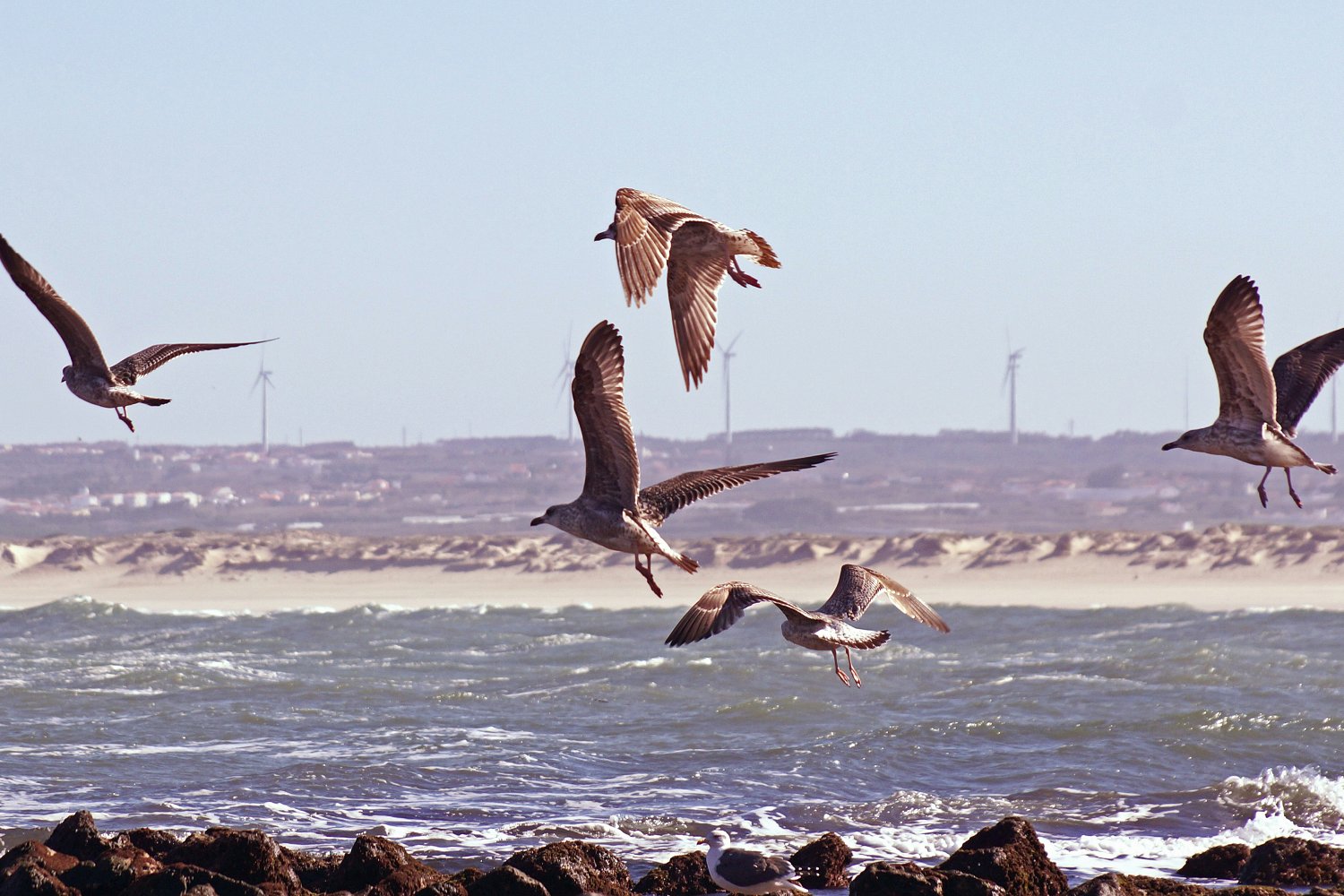
In areas where wind turbines now rise from the water, entire flocks of seabirds are no longer there. Not fewer. Not scattered. Gone.
“Seabirds are abandoning waters with wind turbines, and 256,000 have already vanished without a trace”, The Pulse, April 26, 2026
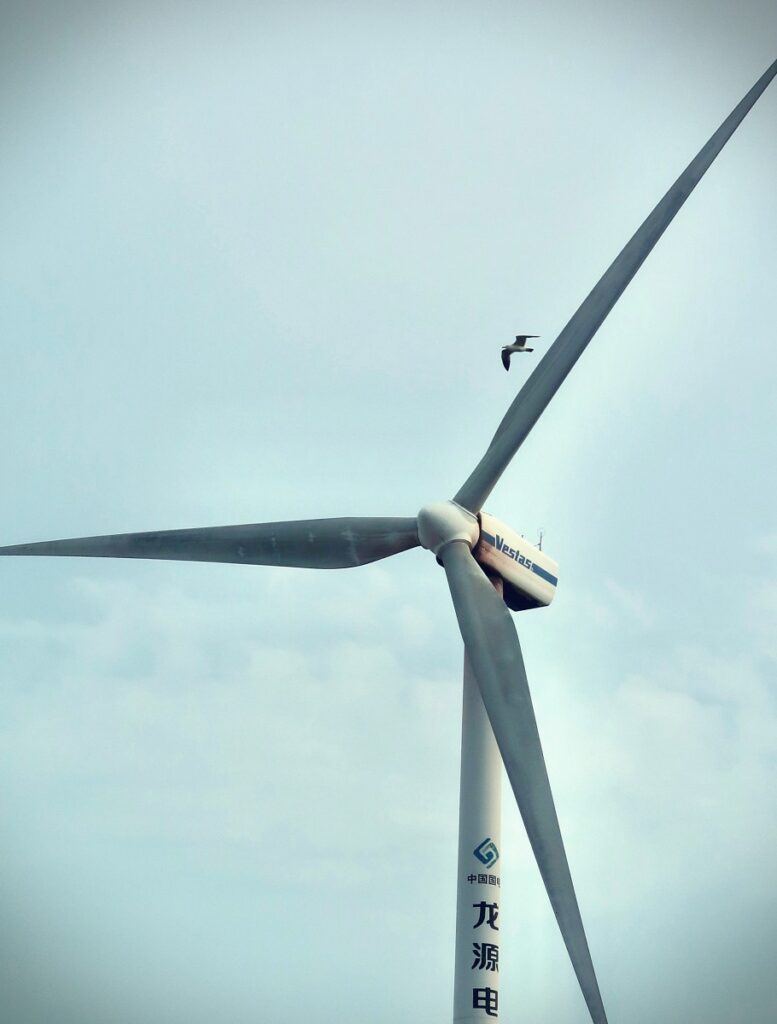
Of course, direct collisions with turbine blades accounts for the loss of several species of birds. Studies show as many as 1.17 million birds are killed by wind turbines in the United States alone each year5 — and that number has only increased with the proliferation of industrial wind installations.
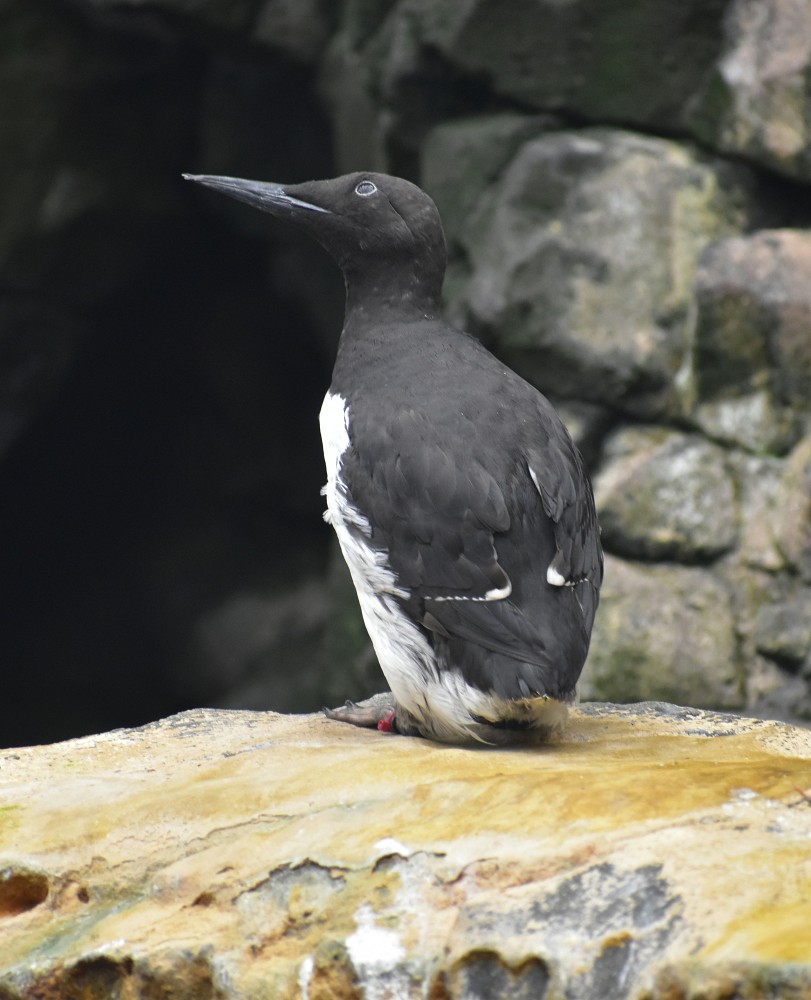
But one of the largest impacts on birds comes from the loss of habitat when massive turbines occupy their dwellings or breeding grounds. One Norwegian study determined that for common guillemots (a type of diving seabird), 49.6 % of individuals would experience displacement from habitat due to the hypothetical offshore wind farms.6
But it’s far from hypothetical. Researchers in the Dutch North Sea have mapped the seabirds’ habitat loss for the first time, within and outside of a wind park.
This study does not concern fatalities due to collisions with wind turbines, but habitat loss, which is potentially much more detrimental to seabirds than fatalities that occur through collisions. Habitat loss is a permanent situation; the seabirds’ living space is reduced, while a new generation can replace birds that perish through collisions.
Mardik Leopold, marine biologist; Wageningen Marine Research, January 16, 2025; wur.nl
Lange et al.’s 2018 study also found direct habitat loss and disturbance displacement of redheads (North American ducks) from the wind farm along the lower Texas coast. They concluded that, “Although our study was directed solely toward redheads, it is likely that this wind farm has affected other species that use these wetlands or migrate along the lower Texas coast (cf. Contreras et al. 2017).”
Of course, it’s not just sea birds at risk. Alberta, Canada’s Northern Valley is summer home to the endangered Whooping Crane, habitat that is slated for an industrial wind plant.7 Another recent study confirms the danger in destroying such a species natural habitat:
The results of this ground-breaking study are really eye-opening — the buildout of wind energy is already having a negative cumulative impact. There are more than 10,000 wind turbines scattered throughout the Whooping Cranes’ migratory pathway. We now know that too many of these turbines are eliminating important migratory stopover habitat for this Endangered species.
Joel Merriman, Director of the Bird-Smart Wind Energy Campaign at American Bird Conservancy, April 1, 2021; ESA
Population Level Impacts
In fact, Watson et al. warn in their 2018 study of potential apocalyptic impacts on bird species by destroying their natural habitats:
The global potential for wind power generation is vast, and the number of installations is increasing rapidly. We review case studies from around the world of the effects on raptors of wind-energy development. Collision mortality, displacement, and habitat loss have the potential to cause population-level effects, especially for species that are rare or endangered.
“Raptor Interactions With Wind Energy: Case Studies From Around the World”, March 1, 2018, bionone.org
According to van der Sandt, “One estimate suggests that up to 256,000 seabirds have disappeared from zones near offshore wind farms.” A study by Fauchald et. al. in 2025 found that “when summing the spatial vulnerability across species, the combined vulnerability indicator revealed a strong and persistent inshore-offshore gradient from high vulnerability in inshore waters to low vulnerability in offshore waters.”
Commenting on the study, van der Sandt says the common guillemot “sometimes completely avoids wind farm areas, effectively losing access to parts of its natural habitat. And when enough habitat is lost, populations begin to decline.”
The harm to the “entire biodiversity” from industrial wind continues to mount — from earthworms, to bats, to humans — begging for a global moratorium on this expensive, unreliable, and ultimately, harmful alternative source of energy.
- cf. “Infrasound: ‘A Huge Threat to the Entire Biodiversity’, says Doctor”[↩]
- cf. “Wind Turbines and Health: The Studies”[↩]
- cf. The Connexion; “Supreme Court Win on “noise disturbance”[↩]
- cf. here, here, and here[↩]
- abcbirds.org; energymonitor.ai[↩]
- cf. nina.no[↩]
- cf. here and here[↩]


Mark Mallett is a former award-winning reporter with CTV Edmonton and an independent researcher and author. His family homesteaded between Vermilion and Cold Lake, Alberta, and now resides in the Lakeland region. Mark is Editor in Chief of Wind Concerns.